Ever notice a weekly gas price cycle in Canada where pumps are cheapest on Monday morning yet mysteriously peak by Thursday night? You're not imagining things. Stations across the country follow a predictable rhythm driven by wholesale rack pricing, retail margin jockeying, and a dash of game-theory. This guide demystifies that dance, offers easy-to-read charts, and even includes an interactive savings calculator to help you time fill-ups and save real dollars every year.
How the Canadian Fuel Price Cycle Works
Every evening around 6 p.m. ET, major refiners publish a rack price—essentially the wholesale cost for the next day’s fuel. Retailers then add a markup (typically 8-12 cents per litre) plus taxes to set tomorrow’s pump price. But competition complicates things: larger chains often shave a fraction of their margin early in the week to lure drivers, forcing independents to follow. By mid-week, volume targets are met, margins tighten, and prices creep up. Come Thursday night—when commuters fuel for weekend road trips—stations restore full margin, hitting the weekly high. Early Monday, a lead retailer blinks first, cutting a few cents to jump-start sales, and the cycle resets.
Add provincial quirks—like carbon levy adjustments on the first of each month—and you get sharp regional spikes. In Alberta and Saskatchewan, competition is fierce, flattening the curve; Atlantic provinces see wider swings due to regulatory lag. Understanding this “leader-follower” pattern lets savvy drivers fill during the troughs and dodge the peaks.
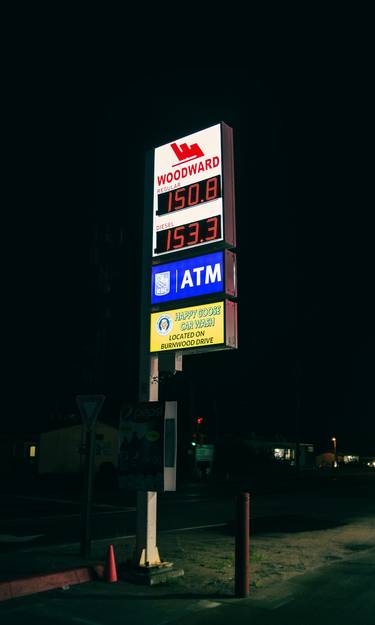
Weekly Timeline Snapshot
| Day | Trend | Average Price (¢/L) |
|---|---|---|
| Monday | Low | 158.9 |
| Tuesday | ↗ | 160.9 |
| Wednesday | ↗ | 162.9 |
| Thursday | Peak | 164.9 |
| Friday | ↘ | 163.9 |
| Saturday | ↘ | 162.4 |
| Sunday | ↘ | 160.4 |
Values are illustrative for urban Ontario. Prairie provinces often show flatter curves, while Atlantic Canada can be more volatile due to regulated price reviews.
Monthly & Seasonal Patterns
Beyond the weekly dance, Canadian fuel prices follow seasonal waves. Refineries switch to costlier summer blends, demand spikes around holiday road trips, and winter heating oil pulls diesel supplies. The table below highlights typical monthly direction compared to the yearly average.
| Jan | Feb | Mar | Apr | May | Jun | Jul | Aug | Sep | Oct | Nov | Dec |
|---|---|---|---|---|---|---|---|---|---|---|---|
| ▾ | ▾ | ↔ | ▴ | ▴ | ▴ | ▴ | ↔ | ▴ | ↔ | ▾ | ↔ |
Provincial Taxes, Carbon Levies & Regional Regulations
Canada’s patchwork of provincial taxes and regulatory frameworks means the same wholesale barrel can translate to wildly different pump prices once it reaches your neighbourhood station. British Columbia leads the charge with a steadily climbing carbon tax—currently more than 15 ¢ / L when GST and provincial sales tax are layered on top. Each April 1st, the levy ratchets higher, so retailers bake that known increase into posted prices well before the calendar flip. As a result, B.C.’s weekly cycle often starts the spring with a sharp step-change rather than a gentle stairway, and Monday-morning troughs rarely dip as low as elsewhere.
Québec operates under a cap-and-trade system tied to California, auctioning emissions allowances that indirectly raise wholesale gasoline costs. When allowance prices spike, the extra cents flow through rack prices within 24 hours, overriding the usual Monday discount that competitive stations like to flash. Moreover, Québec applies the provincial fuel tax as a percentage, not a flat cents-per-litre number, meaning any base price surge amplifies the tax bite automatically—a double-whammy that can make Wednesday’s climb feel steeper than in Ontario.
Meanwhile, Alberta’s market deregulation creates one of Canada’s fiercest price wars. The province suspended its provincial fuel tax for extended periods after 2022, introducing headline drops of 13 ¢ / L overnight. Because retailers could no longer count on a stable tax floor, margins became the main lever for profitability. Expect deeper Monday cuts—sometimes 6 ¢ or more—as chains jostle for volume, followed by equally aggressive Thursday rebounds once rack increases and profit recovery factors collide.
Out east, Atlantic Canada’s Petroleum Price Boards publish maximum pump prices every Thursday at 12:01 a.m. in Newfoundland & Labrador and at set intervals in P.E.I. and Nova Scotia. Stations cannot legally exceed the ceiling, so they often post the board price the moment it drops, creating a Thursday-morning low rather than the national Thursday-night peak. Motorists who cross provincial borders can exploit this quirk: filling up in Moncton Thursday morning and again in Quebec’s lower-tax territory Monday evening can shave several dollars off a single road-trip.
Understanding these jurisdiction-specific levers helps decode conflicting advice online. “Fill on Monday” works in deregulated markets; “Fill Thursday morning” suits regulated Atlantic provinces; and “Fill any day before April 1” is sage counsel for carbon-tax jumps in B.C. Keep an eye on provincial budgets—announced tax tweaks ripple through rack prices faster than crude-oil headlines.
Fill-Up Timing Savings Estimator
Six Practical Ways to Pay Less at the Pump
- Join fuel rewards programs. Many grocery chains issue fuel rewards worth 7 ¢/L or more. Combine coupons to double-dip.
- Use a high-earning gas credit card. Cards on our upcoming best gas credit cards list return up to 5 %. Stack with store promos.
- Check flyers for cents-off coupons. Thursday flyers often include 3-7 ¢/L coupons—compare quickly with our weekly flyer comparison tool.
- Fill the night before price resets. Prices usually jump after 10 p.m. Wednesday; topping up Tuesday saves a few bucks per tank.
- Monitor wholesale rack reports. Sites listing tomorrow’s rack price give a 12-hour heads-up to beat increases.
- Stack loyalty with credit multipliers. Example: Canadian Tire Triangle 5 ¢/L promo + Triangle World Elite 3 % earns ≈8 ¢/L total.