Best Gas Credit Cards in Canada (2025 Edition)
- Earn up to 10% back or 15 ¢/L equivalent on fuel
- Stack with loyalty programs like Journie & Triangle
- Interactive ROI calculator shows real savings
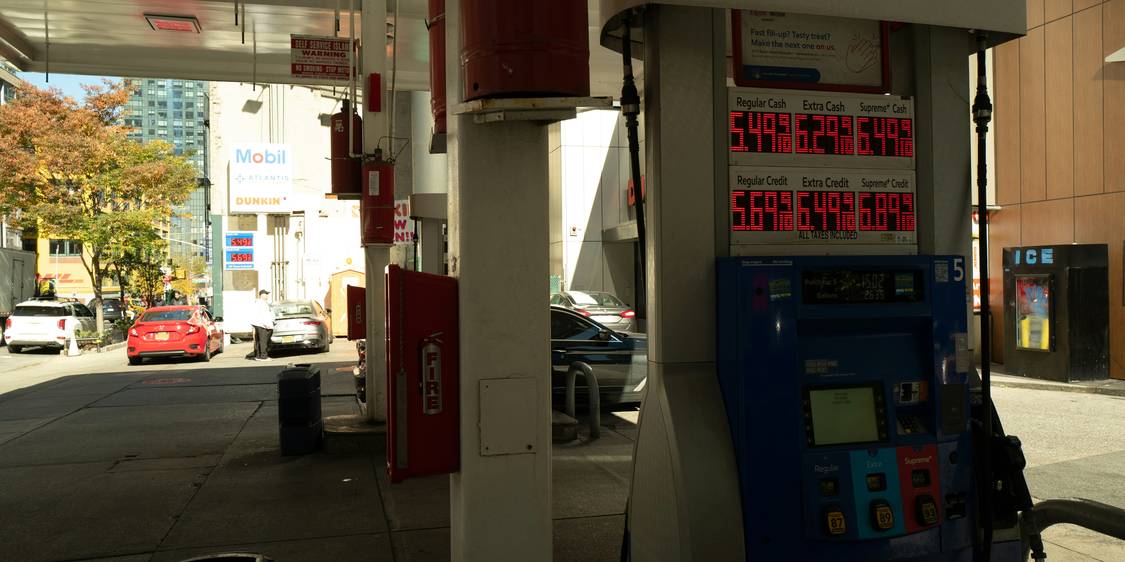
The average Canadian drives about 15,000 km a year and spends roughly $2,200 on fuel. With pump prices hovering near record highs, choosing the best gas credit card Canada 2026 offers can shave hundreds of dollars from your annual budget. Below you’ll find a data-driven comparison, an interactive calculator, and practical strategies to turn every litre into louder savings.
Gas Credit Card Comparison – Canada 2026
| Card | Annual Fee | Gas Reward | Welcome Bonus* | Groceries / Transit | 1st-Year Net Value† | Ideal For | |
|---|---|---|---|---|---|---|---|
| RBC Esso Avion Visa | $99 | 4 ¢/L + 1 Avion pt/$ | 10,000 pts ($100) | 1 pt/$ (0.9%) | $210 | Esso & Mobil drivers | Details |
| Triangle World Elite MC | $0 | 7¢/L in CT Money | Up to $50 CT$ | 3% at Canadian Tire | $185 | Canadian Tire shoppers | Details |
| Scotia Momentum Visa Infinite | $120 | 4% cash back | 10% for 3 mo. | 4% groceries | $260 | Families & commuters | Details |
| CIBC Petro-Points MC | $0 | 5 ¢/L off + 2 pts/$ | 25,000 pts ($25) | 1% restaurants | $150 | Petro-Canada loyalists | Details |
| BMO CashBack World Elite MC | $120 | 3% cash back | 10% for 3 mo. | 4% groceries | $230 | Varied spending | Details |
| Amex SimplyCash Preferred | $120 | 2% cash back | 10% for 4 mo. | 2% all spend | $220 | Flat-rate seekers | Details |
| MBNA Smart Cash World | $39 | 2% cash back | 5% for 6 mo. | 2% groceries | $180 | Low-fee budget | Details |
*Bonus details vary; check issuer sites. †Estimates assume $300/mo fuel spend and average category usage.
Gas Rewards Calculator
Calculator assumes rewards post monthly and bonuses apply in year 1. Savings converted to cents per litre using your price input. Figures for illustration only—always verify program terms.
Pros & Cons by Card
- Instant 4 ¢/L discount at Esso & Mobil.
- Avion points convertible to WestJet or Cathay.
- Free Roadside Assistance level 1.
- Discount only applies at Esso/Mobil—not Shell or Petro.
- Annual fee after first year not waived.
- Avion redemption value varies with availability.
- No annual fee with high 7 ¢/L earn.
- Stackable with Triangle Rewards card (double-dip).
- Free roadside assistance & purchase protection.
- Requires $80k personal income to qualify.
- Gas rebate capped at 20 L per transaction.
- Rewards spendable only at Canadian Tire banners.
- 4% cash back on both gas and groceries.
- Strong insurance package (travel & mobile).
- Annual fee waived first year.
- Cash back paid once per year in November.
- Gas bonus capped at $25k combined category spend.
- Requires min $60k income.
- Instant 5 ¢/L savings at Petro-Canada.
- No annual fee for primary card.
- Free SPC membership for students.
- Lower rewards outside Petro-Canada network.
- Forex fee not waived for US travel.
- Basic insurance coverage only.
- 3% cash back on gas; weekly payouts.
- 4% groceries—good combo for families.
- Airport lounge access via Mastercard Travel Pass.
- Annual fee of $120 after first-year waiver.
- In-flight Wi-Fi credit limited to $8/mo.
- High income requirements.
- 10% introductory cash back (4 months).
- 2% unlimited rate after promo ends.
- Strong Amex Offers for gas gift cards.
- Not accepted at Costco or Loblaw gas bars.
- Annual fee $120, never waived.
- No mobile device insurance.
- 5% cash back on gas/grocery for 6 months.
- Annual fee only $39.
- Purchase price protection benefit.
- 2% rate drops to 1% after category cap.
- MBNA lacks branded mobile wallet app.
- No travel insurance.
Maximizing Your Gas Rewards
Stack with Loyalty Programs
Swipe Triangle Rewards first at Canadian Tire Gas+, then pay with the Triangle World Elite Mastercard for a double-dip worth up to 9.5% back. Petro-Canada cardholders can link their cards for automatic Journie or Petro-Points boosts.
Pay at Pump vs In-Store
Some issuers track gas category by MCC (Master Merchant Code). Paying inside sometimes codes as “convenience store” and earns a lower rate—stick to pay-at-pump or mobile wallet tap to guarantee gas rewards.
Digital Wallet Linking
Add your card to Apple/Google Wallet. Many cards offer a 1% bonus on mobile transactions for the first 3 months.
EV Charging Credits
RBC Avion and BMO CashBack include Level-2 charging stations in their gas category, saving early EV adopters an average $0.05/kWh.
Alternatives if You Don’t Qualify
- KOHO Prepaid Premium – 2% cash back on transportation for $9/mo; no credit check.
- Home Trust Secured Visa – 1% cash back on all spend; build credit while earning.
- Tangerine Money-Back Mastercard – Choose “Gas” as a 2% category with no annual fee.
How to Choose the Right Gas Card
- Measure your monthly litres and total driving distance.
- Check existing ecosystems (PC Optimum, Scene+, Air Miles) for synergy.
- Decide if first-year bonus outweighs annual fee after promo ends.
- Consider EV vs gas vehicle—some cards skip charging stations.
- Review acceptance network (Amex vs Mastercard/Visa).
Frequently Asked Questions
What is the best credit card for Petro-Canada points in 2026?
Can I combine Journie Rewards with my credit card cash back?
Are gas cash-back rewards taxable in Canada?
Does paying at the pump vs inside affect reward tracking?
Which gas card also covers electric vehicle charging stations?
How often do issuers change gas categories?
Keep Exploring
- Fuel Rewards Overview
- Weekly Flyer Comparison Tool
- Price Match Guide
- Triangle Rewards Guide
- Loyalty Program Calculators
Rates accurate as of 2026; always verify with the card issuer.