Retail Coupon Policies in Canada Explained
Know the rules before you reach the till.
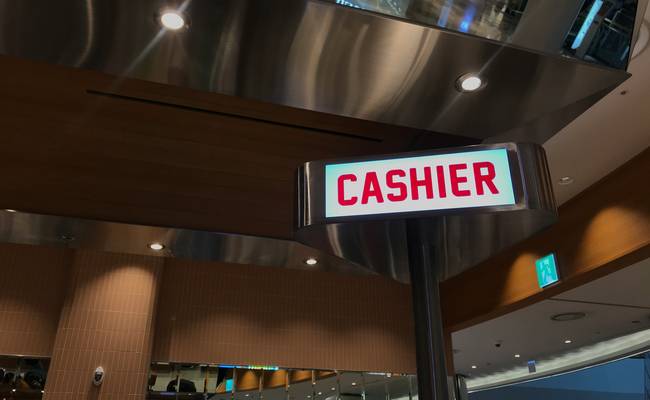
You clip, print, or load a coupon, plan your shopping list, and head to the store—only to have the cashier decline your discount. It happens every day across Canada because each retailer follows its own coupon policy. Some chains publish a corporate PDF, others leave nuances to regional managers, and provincial scanner laws layer on even more complexity. Understanding these rules is critical: rejected coupons waste time, negate price-match opportunities, and can even cost you loyalty points if the order must be voided and re-rung. This guide demystifies retail coupon policies in Canada. We outline federal versus provincial influences, highlight common pitfalls (printable vs. “internet- printed”, French-language requirements in Quebec), and provide a quick-glance table below so you can see—in seconds—where your coupons will fly and where they may be grounded.
| Retailer | Printable | Digital | Allows Stacking | Price-Match w/ Coupon | Key Notes (≤25 words) |
|---|---|---|---|---|---|
| Walmart | ✔ | ✔ | ✖ | ✔ | One MFR coupon per item; accepts bilingual coupons with competitor logos; match flyer then apply coupon. |
| Shoppers | ✔ | ✔ | ✔ | ✖ | Load-to-card + paper MFR allowed; no two paper coupons; no price match. |
| London Drugs | ✔ | ✔ | ✔ | ✖ | Canadian stacking pioneer; up to item value pre-tax; policies vary BC vs AB. |
| Loblaws | ✔ | ✔ | ✖ | ✖ | Accepts one coupon per item; digital PC Optimum offers auto-apply. |
| Metro | ✔ | ✔ | ✖ | ✖ | Moi app digital + paper coupon allowed, but not two paper coupons. |
| Sobeys | ✔ | ✔ | ✖ | ✖ | Scene+ digital offers auto-apply; manual override on faded printables. |
| Giant Tiger | ✔ | ✖ | ✖ | ✔ | Ad Match + coupon same item; one coupon per product. |
| Canadian Tire | ✔ | ✖ | ✖ | ✖ | Most printable accepted; Triangle offers treated separately. |
| Dollarama | ✖ | ✖ | ✖ | ✖ | No coupons; rare on-receipt rebates via Checkout 51. |
| Costco | ✖ | ✖ | ✖ | ✖ | Manufacturer coupons replaced by instant savings; use price adjustment. |
How to read: “Printable” refers to home-printed manufacturer coupons. “Stacking” means combining two different coupons on one item.
Walmart Coupon Policy
Walmart still accepts bilingual, professionally printed manufacturer coupons—even if the coupon carries a competitor’s logo—so long as the product, size, and expiry match. However, Walmart does not allow stacking two manufacturer coupons. You may price-match first, then present one valid paper coupon. Stand-out rule: have coupon scanned before redeeming Walmart Rewards dollars so discounts flow correctly.
- Stand-out rule: Price-match then coupon—cashiers follow this order automatically.
Shoppers Drug Mart Coupon Policy
Shoppers centres everything around PC Optimum. You can stack a load-to-card digital offer with one paper manufacturer coupon. The register applies the digital discount first, then the paper value, then calculates points—use this to amplify “20× points” events. Printable coupons are accepted if printed clearly and bilingual. No price-matching is offered.
- Stand-out rule: Digital PC Optimum + paper coupon = stacking approved.
London Drugs Coupon Policy
The West-coast legend still permits true stacking: one manufacturer coupon plus one store coupon per item, up to the item’s pre-tax price. Cashiers manually enter the second coupon, so bring printed policy screenshots. Alberta locations occasionally restrict high-value stacks—ask a supervisor before you queue. No price-matching on stacked transactions.
- Stand-out rule: Two different coupons per item—value cannot exceed item price.
Loblaws Coupon Policy
Loblaws banners honour one manufacturer coupon per product and automatically apply loaded PC Optimum offers, but do not permit two paper coupons. Printable coupons are scrutinised; colour copies scan best. If a cashier hesitates, politely reference the corporate policy posted at customer-service desks. No price-match is offered.
- Stand-out rule: PC Optimum digitals stack with sales, not with second paper coupon.
Metro Coupon Policy
Metro’s Moi app delivers personalised digital coupons that combine with one manufacturer coupon per item. Stacking two paper coupons is disallowed. Quebec locations require French text on printable coupons—have bilingual versions ready. No formal price-match program.
- Stand-out rule: Ensure coupons include French for Quebec cashiers.
Sobeys Coupon Policy
Sobeys accepts clean printable and paper coupons; digital Scene+ offers load automatically. You cannot use more than one coupon per product. Cashiers can manually key faded barcodes, but may seek supervisor approval. Scene+ points are calculated after coupon value is deducted.
- Stand-out rule: Scene+ digitals apply first, then paper coupons.
Giant Tiger Coupon Policy
Giant Tiger’s Ad Match means you can bring a competitor flyer, get the lower price, then present a manufacturer coupon—doubling your discount. Printable coupons are accepted if barcode scans; digital coupons are not. One coupon per item; stacking two paper coupons remains prohibited.
- Stand-out rule: Price-match + manufacturer coupon = huge savings.
Canadian Tire Coupon Policy
Canadian Tire accepts printed manufacturer coupons but not internet-printed versions without a hologram. Triangle Rewards “Bonus CT Money” offers can coincide with paper coupons but do not count as stacking. No price-matching on coupon items. Bring policy print-out for seasonal staff unfamiliar with coupons.
- Stand-out rule: Triangle offers + one manufacturer coupon—watch register bonus apply last.
Dollarama Coupon Policy
Dollarama officially does not accept coupons. The only workaround is scanning receipts into cashback apps like Checkout 51 or Caddle for post-purchase rebates. Don’t attempt to hand paper coupons at the till; cashiers are instructed to refuse.
- Stand-out rule: Use rebate apps instead of coupons.
Costco Coupon Policy
Costco replaced traditional coupons with Instant Savings, loaded by default to every membership. Manufacturer coupons are not accepted. To maximise discounts, watch for an item’s price dropping within 30 days of purchase—request a price adjustment and stack that with Instant Savings on a future shop.
- Stand-out rule: Leverage price adjustments instead of coupons.
10 Best Practices for Smooth Coupon Redemption
- Screenshot mobile coupons before entering low-signal basements to avoid reload delays.
- Print in colour—faded black-and-white barcodes trigger manual overrides.
- Separate stacking items into their own transaction to prevent full order voids.
- Price-match first, coupon second—cash registers follow this order automatically (see full guide).
- Carry bilingual copies of coupons when shopping near Quebec borders.
- Pay with small bills so partial refusals don’t tie up large refunds.
- Visit weekday mornings when seasoned cashiers are on duty.
- Keep policy PDFs on your phone for polite clarification.
- Track expiry dates with our Expiry Tracker tool.
- Stay courteous; managers can refuse stacking for abusive behaviour.
Retail Coupon Policy FAQ
Stay ahead of policy tweaks—bookmark this page and revisit before big hauls. Ready to save more? Browse our current printable coupons or dive into the Digital Coupons Guide to plan your next strategy.